


After losing the World Test Championship (WTC) final against South Africa, Pat Cummins told the media that the beginning of a new WTC cycle felt like a "fresh start".
That fresh start was to begin with a three-game Test series against the West Indies. Marnus Labuschagne, once a lock on the team sheet, was dropped to make way for 19-year-old Sam Konstas.
The excitement surrounding Konstas was still high after a remarkable debut innings on Boxing Day in 2024, where he made light work of Jasprit Bumrah, who had been terrorising the Australian batting lineup.
With Labuschagne out of the team, the Caribbean tour marked Cameron Green's first full series batting in his new No. 3 position.
Despite comfortably defeating the West Indies 3-0, the series raised more questions than answers surrounding Australia's top-order. There are no more Test matches scheduled before The Ashes in November.
Stuart Broad, loathed by the Australian cricketing public, weighed in on the top-order batting situation.
"I can't see this being the same top three for the Ashes," he said to The Grade Cricketer.
"I'm not out of place in thinking it's the most muddled top three in my lifetime...Cameron Green at three, he's a six isn't he?"
ESPN reported that since the start of 2024, Australia's top three have averaged only 26.97, with Usman Khawaja's 232 against Sri Lanka being the only century.
These are alarming figures. What, then, should Australia's top-order look like come November?
Konstas should not continue. Khawaja should stay on, for now.
With a 19.50 average against the West Indies, Khawaja is hardly deserving of keeping his place in the team.
However, if the selectors are to drop Konstas, it may be best to keep him opening to avoid an entirely new opening pair.
Khawaja proved he is still capable of scoring big in Sri Lanka, and has been known to break patches of bad form throughout his long Test career.
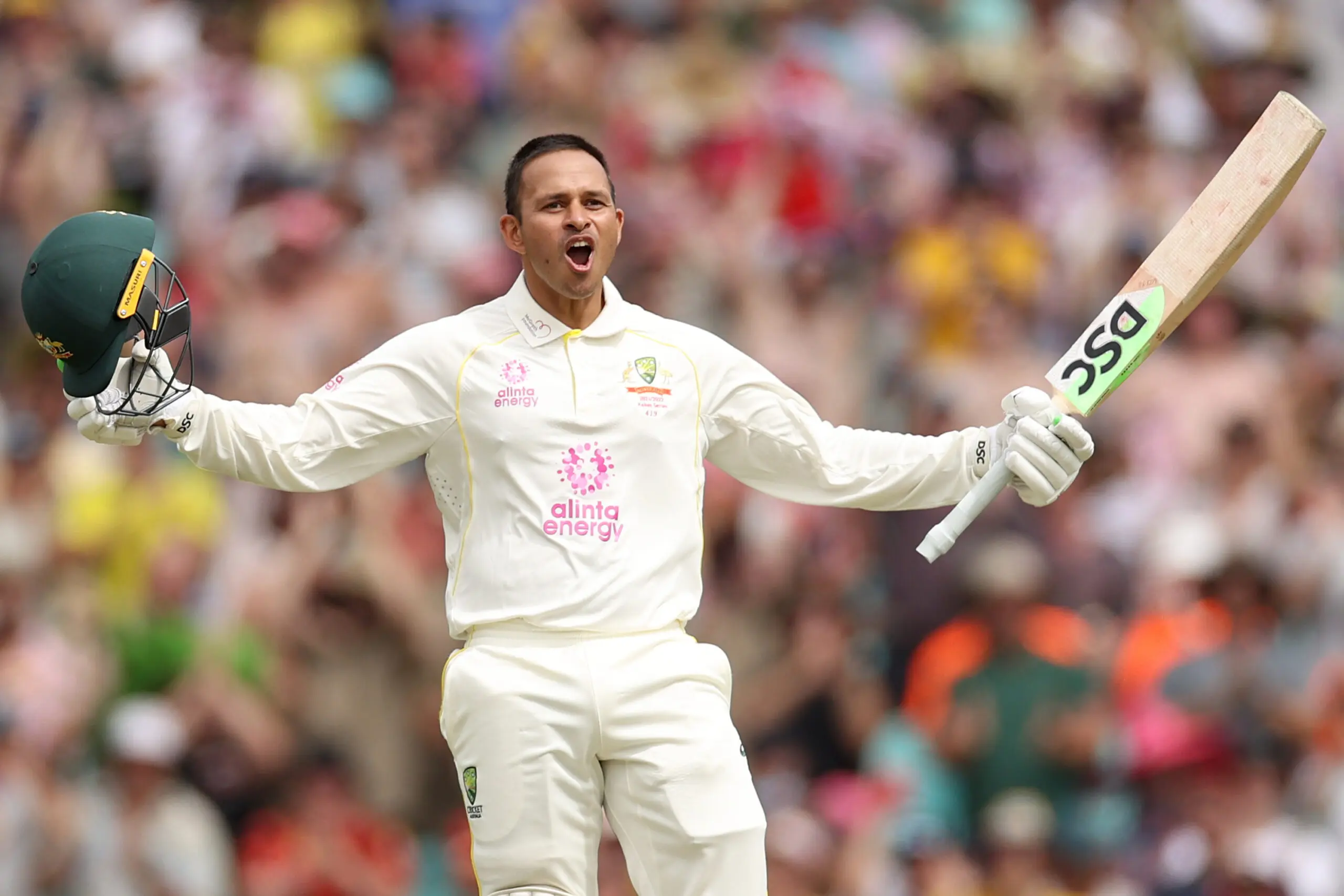
It is probably in the best interests of the Test team and Konstas himself that we don't see him opening the batting for Australia come November.
In the Caribbean, Konstas was a shadow of the confident and charismatic teenager with the guts to ramp Bumrah that we saw last Boxing Day.
He averaged just 8.33 runs in the West Indies, often looking dejected and lost after being dismissed. After so easily handling the world's best bowler, it was an unfriendly reminder to Konstas that Test cricket is hard.
The Guardian's Geoff Lemon raised concerns that Konstas' selection could have done more harm than good for his career. He notes other players have struggled to bounce back from being dropped despite blistering starts to their Test careers.
The good news for Konstas is that he is not young; he is very young.
There is plenty of time for him to hone his skills and build consistency in his first-class career. Konstas has only played 20 matches at First Class level, only four of which were played before the start of last summer.
It is easy to see how backing Konstas this summer could go horribly wrong.
A few more low scores and an agitated Australian public could prove fatal to the youngster's confidence. Drop Konstas now and he avoids being dropped in the middle of an Ashes series that will draw intense media scrutiny.
Who fills in for Konstas?
The opening rounds of the 2025/26 Sheffield Shield season will be crucial in answering this question. Australia A also tours India in September, playing two four-day matches.
Usual suspects Cameron Bancroft and Marcus Harris could be turned to, however, they aren't exactly demanding selection and Harris had a quieter Sheffield Shield season last summer.
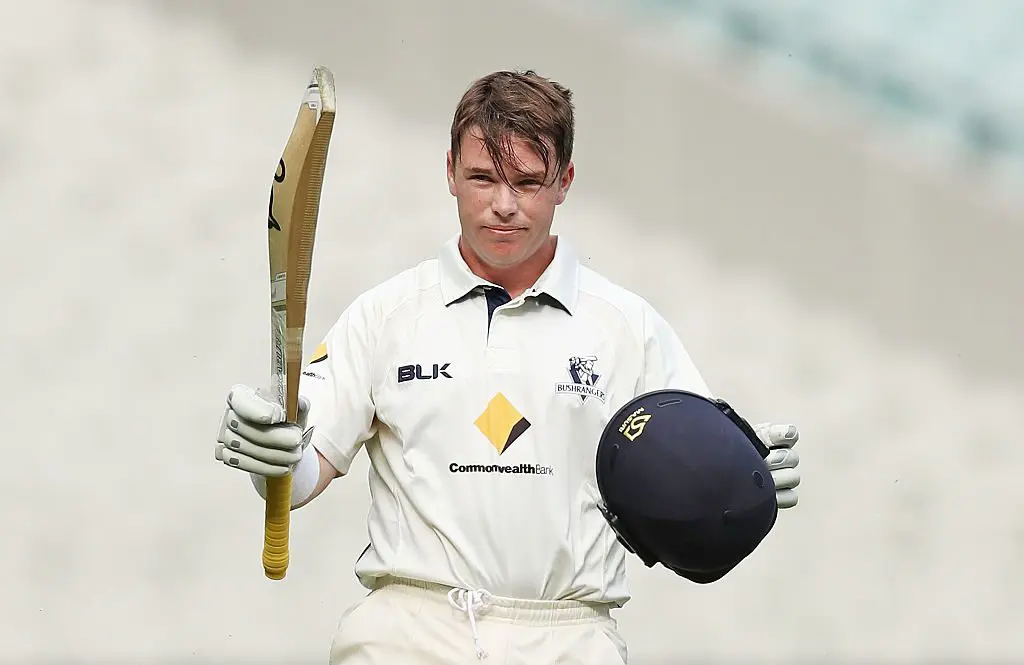
Jake Weatherald top-scored in the Sheffield Shield last season, opening for Tasmania. At 30-years-old Weatherald could be a viable longer-term option to open the batting alongside Konstas after Khawaja retires (who will turn 39 in December this year).
Nathan McSweeney, who opened for Australia last summer before being dropped, has been in good form, making 94 for Australia A against Sri Lanka A.
Notably, McSweeney did not open that innings and typically does not open for South Australia. Weatherald reached 54 in the same innings opening the batting.
Other contenders who are not specialist openers are Kurtis Patterson and Jason Sangha.
Sangha averaged 78.22 last Sheffield Shield season and is highly rated by former Australian captain Ricky Ponting.
Cameron Green needs to be backed at first-drop.
Despite Broad's scepticism, Green was by far the best performer out of the top three in the Caribbean.
His tour got off to a shaky start, but he was able to pull together respectable scores in his final three innings. That included a critical 52 in the second innings of the second Test match on a pitch that was sporadically bouncing low.
Against the pink ball in the third test, he notched 46 and 42. He was Australia's top scorer in the second innings.
Certainly, Australia would like to see Green go on to make hundreds in the number three position. In difficult conditions, he has done just enough to justify his continued inclusion at number three.
After dropping Marnus Labuschagne, Cummins said to the media that Green is a "long-term" option at number three.
Broad is somewhat correct in asserting that Green is a middle-order batsman, that is mainly where he has batted in his Test career. However, he has batted at number four regularly for Western Australia.
"[Being in at three] has actually felt really normal...I've batted at number four for WA, being one spot up is no different", Green said to the press after the second test match against the West Indies.
Green averages just under 50 in first class cricket and 34.02 in Tests, alongside his responsibilities with the ball. In the West Indies he was not bowling as he typically would, as he was returning from back surgery.
Australia should consider treating Green as a specialist batsman to manage his workload whilst Beau Webster continues to justify his selection as the team's all-rounder.
Whilst Green could be scoring more, he is a promising batter and his efforts so far are nothing to be scoffed at. He is one of Australia's most experienced Test players under 30 years old and will be integral to the team moving forward.
Labuschagne, who has at times been the ICC's best Test batsman, will likely return to the team at some point. However, he was suffering a lean run with the bat before being dropped, only averaging 24.74 in the 30 innings since last making a Test century.
If Labuschagne dominates the Sheffield Shield at the start of the summer, there is scope he could return throughout the Ashes. However, the first test feels too soon for his return and Green has done enough to justify his selection.
If Labuschagne is to return at some point in the series, it is most likely Green will retain his spot but shuffle back down to No. 6, with Webster to make way.
Difficulties selecting top-order batters for Australia is nothing new. Choosing who to open alongside David Warner was a headache for Australian selectors throughout most of his career. Now, the issue continues with the entire top three being uncertain.
The Ashes begins on November 21 in Perth.