


In 1995, it was almost unthinkable that Australia would defeat the West Indies at home.
The West Indies had held on to the Frank Worrell trophy for eight series in a row and had been undefeated in Test series since 1980.
However, in 1995, this trend was broken, and Mark Taylor led Australia to victory in the Caribbean. The side featured the Waugh brothers and Ian Healy, as well as Glenn McGrath and Shane Warne in the early days of their careers.
The series came just after the retirement of West Indies heroes Viv Richards and Malcolm Marshall, but dreaded fast-bowlers Courtney Walsh and Curtly Ambrose remained.
In 2016, cricket.com.au would look back on the series and label it the "dawn of a golden age for Australia".
The exact opposite could be said for the West Indies.
In 2025, a Test series victory for Australia in the Caribbean is no surprise at all, causing almost no excitement amongst cricket fans.
Following 1995, the West Indies' T20 form was a bright spark against the bleak backdrop of their Test cricket decline. They managed two T20 World Cup victories in 2012 and 2016.
But even in the shortest format of the game, the West Indies are once again failing to live up to expectations as Australia currently holds a 4-0 lead over them in a five-game T20 series.
The extent of the damage
Against Australia, the Windies recorded their lowest ever innings score, a meagre 27 runs.
Brandon King was the only batsman from the Caribbean who managed to cross the 50-run mark in a single innings, scoring 75 in the second test.
King ended the series as the Windies' top-scorer but still only managed 129 runs. He was outscored by four Australians, despite Australia's batting performance leaving much to be desired.
With the ball, Shamar Joseph continued his great form, taking 22 wickets for the series.
Fellow bowlers Alzarri Joseph and Jayden Seales managed a respectable 13 wickets each for the series. The blame for the comprehensive defeat lies largely with the batsmen.
The defeat was so humiliating, the head of West Indies Cricket, Kishore Shallow, invited former players, Clive Lloyd, Viv Richards and Brian Lara to emergency discussions to address the team's decline.
"The result hurts deeply, not only because of how we lost, but because of what West Indies cricket has always represented to our people: pride, identity and possibility", Kishore said in a statement reported by Fox Sports.
"Progress is rarely straightforward. It takes time, perseverance, and belief."
What has gone so wrong for the West Indies?
A lack of talent is probably not the reason behind the West Indies' dramatic change in fortunes.
Chris Gayle, Carlos Brathwaite, Darren Sammy, Dwayne Bravo, and Andre Russell are likely familiar names to Australian cricket fans. Probably because they came across them in the Big Bash.
And there lies the problem. T20 tournaments and the money they offer. This is only becoming a bigger problem for the Windies as time goes on.
Chris Gayle had notable stints in many franchise T20 tournaments across the world, but he still managed to feature in 103 Test matches for the Windies.
A slightly younger player, like Carlos Brathwaite, only played three tests but was still reasonably committed to West Indies' white-ball teams. He infamously scored the winning runs in the Windies' 2016 T20 World Cup final triumph.
But now, it seems players are giving up on representing the West Indies altogether.
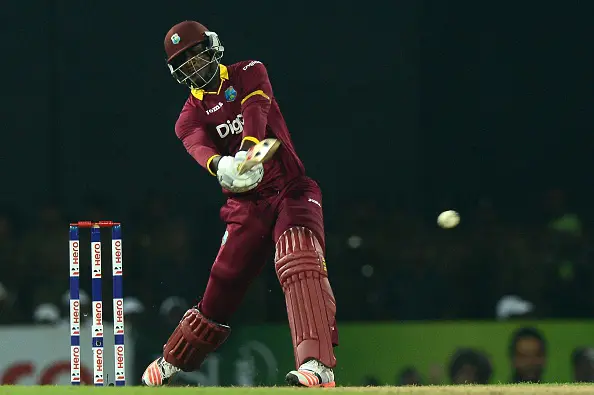
Notably, Nicholas Pooran retired from all international cricket at the age of just 29 to pursue contracts across multiple domestic T20 tournaments. Pooran is the top scorer for the West Indies in International T20 cricket.
Jason Holder and Kyle Mayers are other examples of crucial Windies players who have turned down central contracts with the West Indies to pursue lucrative domestic T20 deals.
West Indies coach, Darren Sammy, appeared resigned to the fact that players will be lost to these tournaments.
"More will follow in that mood, in that direction", said Sammy as reported by The Athletic.
"That's the way T20 cricket is now, and especially coming from the West Indies, with the challenges that we face trying to keep our players motivated to play for the crest, so I wouldn't be surprised."
Why isn't this happening to Australia?
The cultural and historical significance attached to the baggy green and the honour it is to wearing it is likely part of why we aren't seeing this shift in Australia.
That said, money is a crucial factor.
ESPN reports that the lowest Cricket Australia central contract is US$225,000 per year, and they estimate that the majority in the Test XI would be earning at least US$600,000.
That does not include a $12,500 match fee, per test. Consider the fact that Australia usually plays at least 10 tests a year, and that amounts to a very handsome payout for a Test regular.
Contrast this with the West Indies, whose central contracts range from US$100,000 to US$150,000, with match fees of US$5,000. Then consider how many more Tests Australia plays than the Windies.
Again, ESPN reported estimates that Kyle Mayers would've earned at least $250,000 playing in the SA20 for a month.
Put simply, Australian players can afford to uphold tradition. Mitch Starc, rightly, has been applauded for withdrawing from the IPL in the past, so he is well-rested to play for Australia.
Put yourself in the shoes of a player from the West Indies who likely comes from a less privileged background than the Australians.
Sure, they can earn a respectable amount playing for the West Indies, but they can't earn the same generational sort of wealth Mitch Starc can by exclusively playing international cricket.
T20 cricket presents life-changing money not just for Caribbean players but also their families.
Furthermore, Australians don't even completely miss out on playing domestic T20. Test players can compete in the IPL, the world's most lucrative T20 league, under no-objection clauses.
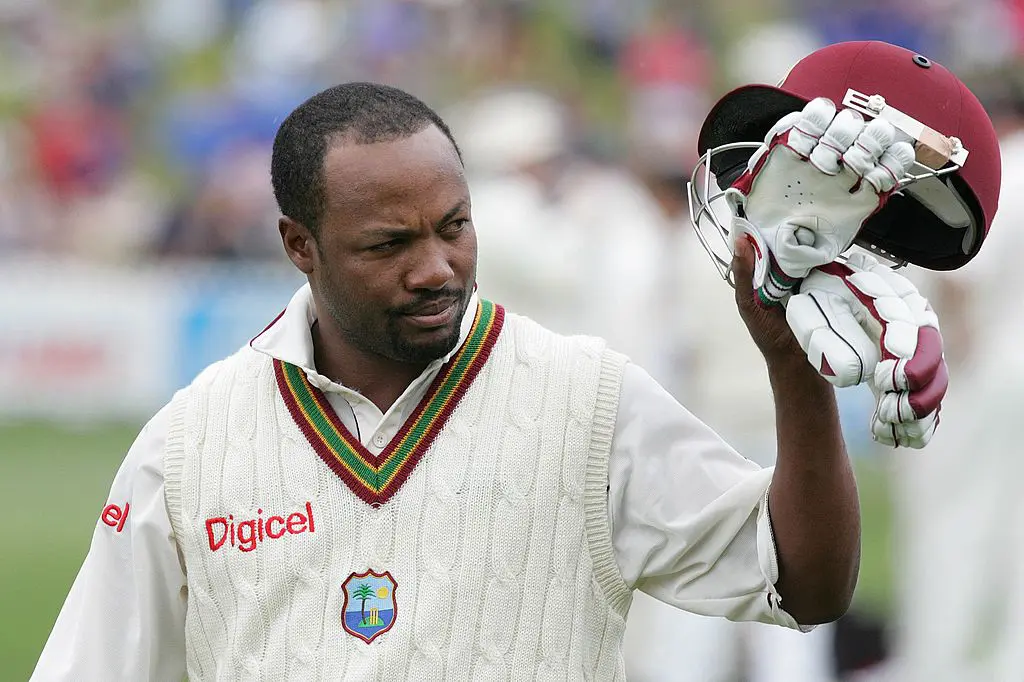
Speaking to the Stick to Cricket podcast, West Indies legend Brian Lara bemoaned the West Indies Cricket Board's attempts to keep players in international cricket.
"The truth is, I don't think the West Indies Cricket Board or the administration has done anything meaningful to keep players loyal to West Indies cricket, unlike what boards in England, Australia, or even India have done", Lara said.
The way forward
Despite being down 4-0, the T20 series against Australia has seen the West Indies put up scores in excess of 200 and has been far more competitive than the Test series.
In the test arena, young-gun Shamar Joseph is yet to be lured away from the Test side. Some hope remains, but the ICC is contemplating establishing a two-tier system in the Test arena.
The West Indies would most likely find themselves in the second-tier in such a format, and clashes against powerhouse nations Australia, England, and India could be few and far between.
Whilst cricket is highly profitable in India and Test cricket remains alive and well in Australia, having so few competitive teams in Tests is damaging for cricket as a whole.
Per ESPN, under current revenue-distribution modelling, the BCCI received 38.5 per cent of the ICC's annual earnings. The West Indies receive just 4.58 per cent.
The distribution is based on cricket history, performance in ICC events, contribution to ICC's commercial revenue and status as a full member. Australia and England receive just over six per cent each.
Perhaps the ICC should consider trying to prop up the West Indies and other struggling nations so Tests can remain competitive.
T20 has been a massive financial success for almost two decades.
One must remember that Test cricket has been around for far longer, with the first official Test match being played in 1877.
It remains to be seen whether the short seasons and fickle player loyalties of domestic T20s will stand the test of time to the same extent as Test cricket.