


England have been hit with a five-point penalty in the World Test Championship for their horrific over rate on Day 2 against Australia, while all players essentially played the match for free, being fined 100 per cent of their match fee by the ICC.
It's potentially the biggest penalty handed out since rules regarding over rate penalties were changed at the commencement of the World Test Championship.
While suspensions aren't on the table anymore, all players copping a financial penalty is a start to addressing an issue which is gripping world cricket.
On Day 2 at the Gabba, 98 overs were supposed to be bowled in six and a half hours. Play was extended to seven in hours in an effort to allow England time to bowl the overs - as most days of Test cricket are with the added half-hour - and yet they couldn't even manage the 90 overs which are required on a normal day.
The ICC asks that teams bowl overs at a rate of 15 per hour - or one for every four minutes.
It has been correctly pointed out that the 84 overs England bowled was 14 short of the 98 required for the day, but what hasn't been so strongly pointed out is that they were actually closer to 21 overs behind the actual asking rate for the day. That 98 should have been bowled by the time six and a half hours were elapsed, not at the end of seven hours.
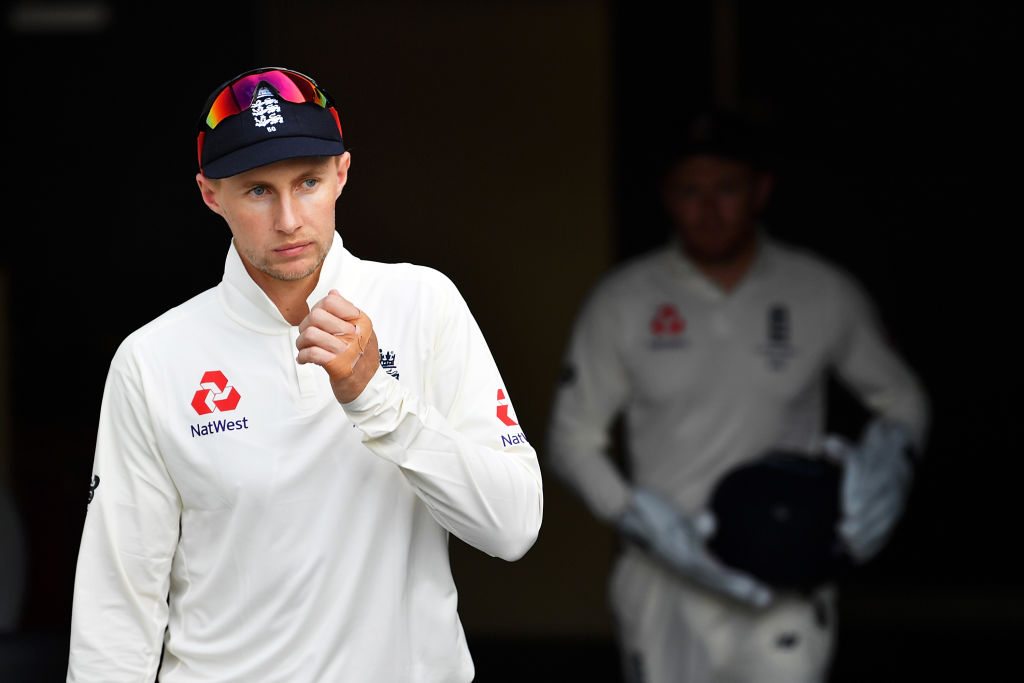
While the tourists had certain circumstantial delays to point at - two pitch invaders, delays by the batting team and hold ups to use the third umpire and decision review system, the fact they have only been penalised five overs is quite surprising.
If we were to take a round figure of 20 overs behind the asking rate at the end of the day's play, then it means the match referee David Boon found a full 60 minutes of unusual delays across Day 2 and the brief period England bowled on Day 3 - of which they were close to on time - to only penalise them five overs.
While the fine couldn't have been any higher, the points penalty could have had they have been found further behind, and frankly, there is almost no way known that they weren't.
So while the five over penalty, the 100 per cent of match fee fine, and five points off the WTC score - a penalty which in a smaller quantity cost Australia a spot in the inaugural final of the competition last time around - is a start from the ICC, this is an issue they have simply swept under the carpet for far too long.
Over rates have been disastrous in Test cricket for some time now. It's not a new phenomenon. There was a similar day during the last Ashes series played in England which finished around ten overs short, and yet no penalties came about from that match.
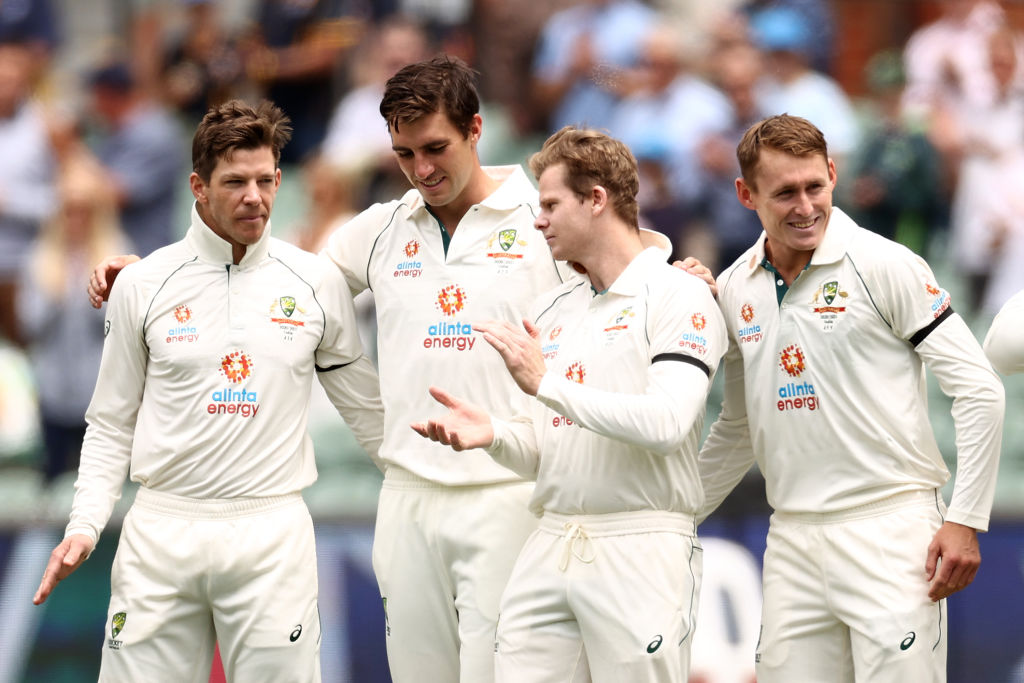
That opens it up for fans to point at the consistency of over rate penalties, and while it's hard to judge from the outside looking in because we have no way of knowing how many minutes of unusual delays were tracked during the day, it can be rest assured that the total was less than 60, and that fans on both TV, and at the ground, were robbed of plenty of cricket on Day 2 by a over rate of just 12 per over - one for every five minutes.
England weren't helped by the lack of good bowling from Jack Leach, or the injury to Ben Stokes, which forced their main pace bowlers to do more bowling than they otherwise would have, but there is still no excuse to be that slow.
Whether it's immediate on-field penalties or heavier off-field consequences, it's time for the ICC to crack down on over rates.
The cricket-watching public deserve to see a full day's play when weather permits every time they go to the cricket.